This is my take on it etc etc.
Market Stats Update Sep 2026 : GVR Report
This is my take on it etc etc.
After months of mixed signals and sideways momentum, Vancouver's housing market delivered something noteworthy in June 2026: across-the-board gains in sales activity. Metro Vancouver recorded 2,390 residential transactions during the month, marking a 9.6% increase year-over-year and the first time in recent memory that detached homes, townhouses, and apartments all posted simultaneous growth. Detached home sales surged 13.7% to 747 units, townhouse sales climbed 11.4% to 527, and apartment sales rose 6.1% to 1,103—a pattern that signals demand may finally be returning to the market more broadly.
This synchronized uptick across all property segments represents a notable departure from the fragmented recovery patterns observed throughout the previous quarters. Earlier in 2026, market activity was characterized by inconsistent performance, with one segment gaining momentum while others stalled. The fact that detached homes, townhouses, and apartments are now all experiencing growth simultaneously suggests that underlying market fundamentals are strengthening across the board, rather than isolated pockets of demand driving selective increases.
The detached home segment's performance is particularly noteworthy, as this property type has historically been the most sensitive to economic conditions and interest rate changes. The 13.7% year-over-year increase indicates that higher-priced properties are beginning to attract serious buyers again, many of whom have been waiting on the sidelines for the right combination of pricing stability and favorable financing conditions. This renewed interest in single-family homes suggests that consumer confidence is gradually rebuilding among buyers in higher price brackets.
Despite the uptick in sales activity, prices remained essentially flat. The MLS® Home Price Index composite benchmark sits at $1,099,100, down 6% year-over-year and virtually unchanged from May's $1,100,700. This divergence between rising demand and stable pricing reflects the continued presence of elevated inventory levels—17,017 active listings remain on the market, still 30.2% above the 10-year seasonal average, even as new listings declined 6% compared to June 2025. The market's sales-to-active-listings ratio of 14.6% places Vancouver squarely in balanced territory, where neither buyers nor sellers hold a decisive advantage.
The persistence of elevated inventory levels continues to provide a cushion that prevents rapid price appreciation, even as sales volumes improve. This dynamic creates an interesting equilibrium where buyers have sufficient choice and negotiating power, while sellers who price realistically can still attract qualified purchasers. The 6% decline in new listings year-over-year suggests that some potential sellers are choosing to wait for stronger pricing conditions before entering the market, which could eventually lead to tighter inventory levels if current sales trends continue.
For buyers, June's data suggests that leverage remains, but the window may be narrowing. Inventory is abundant and homes are sitting longer on average—39 days for detached properties, 35 for townhouses—but the fact that all segments are absorbing listings faster than earlier in the year points to a subtle shift in momentum. Well-priced properties in desirable neighborhoods are starting to move more quickly, and the share of detached homes selling above asking has begun to tick upward in certain pockets of the market. Meanwhile, sellers entering the market should recognize that pricing discipline remains essential; overpriced listings continue to languish, while properties that reflect current benchmark values are finding buyers.
The current market conditions create particularly favorable circumstances for first-time buyers and those looking to upsize or downsize. With interest rates stabilized and prices holding steady, monthly carrying costs have become more predictable and manageable compared to the volatile conditions of recent years. Buyers who have been diligently saving and improving their financial positions during the slower market period are now finding themselves in a strong negotiating position, particularly for properties that have been listed for extended periods.
For sellers, understanding the nuances of current pricing dynamics is crucial to achieving a successful transaction. Properties that are priced within 5% of their benchmark values are experiencing notably shorter days on market compared to those with more aggressive asking prices. Additionally, presentation and condition have become increasingly important differentiators—homes that show well, have been properly maintained, and are marketed professionally are commanding premium attention from the active buyer pool. Sellers who work with experienced agents to develop strategic pricing and marketing plans are seeing substantially better results than those attempting to test the market at aspirational price points.
Looking ahead, the Bank of Canada's decision to hold rates at 2.25% in mid-June removes borrowing costs as a constraint, meaning that any further acceleration in activity will likely be driven by consumer confidence and pent-up demand rather than financing conditions. Whether June marks the true inflection point or simply a seasonal anomaly will become clearer in the coming months, but for now, the data indicates that Vancouver's housing market has entered a new phase—one where broad-based demand is starting to test the limits of a buyer-friendly environment.
The stabilization of interest rates represents a psychological turning point as much as a financial one. After years of uncertainty and rapid rate adjustments, the current hold pattern provides both buyers and sellers with the confidence to make long-term housing decisions without fear of immediate market disruptions. This stability is particularly important for move-up buyers who need to coordinate the sale of one property with the purchase of another—a transaction type that requires predictable market conditions to execute successfully.
Regional variations within Metro Vancouver are also worth monitoring closely. While the aggregate data shows broad-based improvement, certain submarkets are experiencing more pronounced shifts than others. Areas with strong transportation infrastructure, proximity to employment centers, and quality schools continue to outperform, while more remote locations or those dependent on specific industries are seeing more measured gains. Understanding these micro-market dynamics will be essential for both buyers and sellers as the market continues to evolve through the remainder of 2026.

If you’re selling a condo in Yaletown, one of the most effective ways to attract buyers quickly is to highlight that the building is pet-friendly. In neighbourhoods like Yaletown—which blend urban energy with access to outdoor space—the “pet-friendly” attribute isn’t just a nice-to-have, it’s a distinct competitive advantage. Here’s why.
Many buyers today treat their pet(s) like family members. Especially in high-density urban settings, the ability to bring a dog or cat into a condo becomes a major filter in their search.
In Yaletown, where there are parks, waterfront paths, and lots of walkable amenities, pet-owners are even more drawn to homes that don’t restrict them.
Listings and brokers point out that “pet-friendly condos” are a specific search category. homesbylewis.com+1
Even short-term rental listings in Yaletown promote “Pet-Friendly” as a key feature. Rent It Furnished
Because of this built-in demand, a condo that allows pets naturally appeals to a larger portion of the market.
Yaletown isn’t just downtown condos and skyline views—it also offers lifestyle amenities that matter to people with pets.
For example, neighbourhoods with waterfront walks, easy access to parks, and cafes & shops make it easier for pet-owners to incorporate their pet into everyday life. myvancouverlistings.com+1
The walk score, transit access, and outdoor-space access typical in Yaletown add extra value to pet-friendly homes.
In short: pet-owners don’t just need a building that allows pets—they want a neighbourhood where having a pet is easy and enjoyable. Yaletown checks that box.
When a condo allows pets, it eliminates a major objection or exclusion at the buyer-screening stage. Here’s how that accelerates the process:
Buyers don’t have to worry about board approval or restrictions around pets, which reduces “will it work?” anxiety.
The listing appeals to a broader buyer pool (pet-owners + those without pets who don’t mind).
Fewer contingencies: If a buyer with a pet finds your listing attractive, there’s less friction around the move-in decision.
A listing that is explicitly pet-friendly often sells faster because you're removing a hidden barrier that might slow down or eliminate many potential buyers.
From a marketing and copywriting perspective, you can turn “pet-friendly” into a storytelling asset that strengthens your position:
“Bring your four-legged family member” speaks to emotion and lifestyle.
Emphasizing features like nearby parks, dog-friendly cafés, and safe walks adds “why here” to “why this property”.
Pet-friendly status adds a sense of inclusivity, warmth and livability—qualities that attract first-time buyers, younger professionals, and even downsizers who still value companionship and an active urban lifestyle.
When you integrate this into your listing description, marketing materials, and showings, it helps build a feel around the condo that resonates beyond just rooms and square footage.
If you’re advising a seller (or you’re the seller), you can use pet-friendly status strategically:
In the listing title: “Pet-Friendly Condo in Yaletown” catches the pet-owner’s eye.
In showings: Highlight any pet-friendly building amenities (e.g., dog wash station, pet-relief area, nearby dog park).
In staging: Make subtle nods to pet-life (e.g., a clean small pet-bed in a corner, a leash hook near the door) so buyers can imagine their pet in the home.
In negotiations: Know that pet-friendly buildings often command slight premium value or faster offers. That allows you to position the property more competitively.
In today’s condo market—especially in places like Yaletown—buyers have more choices and higher expectations. Listings that stand out tend to sell more quickly. Pet-friendly attributes add stand-out value because:
Urban buyers value lifestyle as much as location.
The rise of remote work and flexible living means people want homes that support whole-life, including pets.
Buildings with strong amenity sets + pet policies are differentiated from older low-amenity buildings.
If you’re listing in Yaletown and your condo is pet-friendly, you’re sitting on a compelling selling angle. Use it. Make sure it’s clearly visible in your marketing. Frame your narrative around both the building’s pet-policy and the neighbourhood’s pet-friendly lifestyle.
If you’re looking to buy a pet-friendly condo in Yaletown, click here for listings that are available right now.
You know that feeling when you step over the stroller for the third time today, stub your toe on a toy bin, and realize your "home office" is literally a corner of the dining table? Yeah. We've all been there.
If you're reading this, chances are your once-perfect condo is starting to feel less like a cozy nest and more like a very expensive storage unit where you occasionally sleep. The good news? You're not alone, and there's a beautiful solution waiting for you in East Vancouver: a townhouse with actual bedrooms, maybe even a yard, and—dare we dream—a door you can close for a Zoom call.
Let's talk about the telltale signs it's time to upsize, and more importantly, how to actually make it happen without losing your mind in the process!
Remember when that den was for storage? Then it became the nursery. Now your partner is working from the dining table while you take calls from the bedroom, and somehow there's still baby gear everywhere.
One Vancouver couple said their 1-bedroom was "getting a little tight with a 6-month-old" after they converted their storage space into a nursery and lost their home office completely. Sound familiar? When you're playing real-life Tetris with furniture and every square foot has three different purposes, that's your first big sign.
The shift from 750 square feet to a townhouse? Families call it "life-changing." And honestly, can you imagine having a dedicated space for work, play, AND sleep? Revolutionary, right?
Here's the thing: when you start getting genuinely excited about the idea of your kid playing outside without you having to pack a bag, grab snacks, and trek to the park like it's an expedition... that's a sign.
Townhouses in East Van often come with yards—sometimes small, sometimes surprisingly spacious—but either way, it's yours. No elevator ride required. No forgetting the sunscreen upstairs and having to decide if it's worth the trip back up.
Plus, let's be real: indoor play is great until your energetic toddler starts using your condo walls as a climbing gym. A little outdoor space changes everything for everyone's sanity.
If you're paying $100-200 a month for off-site storage because your condo can't handle the seasonal stuff, the hand-me-down furniture, and all those "we might need this someday" items... quick math: that's basically another bedroom's worth of space you're already paying for!
Townhouses typically offer way more storage—actual closets (plural!), possibly a garage, maybe even a basement or crawl space. Imagine actually accessing your winter gear without a 30-minute drive to a storage locker. The dream!
One kid in a one-bedroom? Doable, if not exactly spacious. Two kids? Now you're entering advanced-level space management. Where does everyone sleep? Where do all the toys go? And when exactly did your living room become entirely Lego-themed?
Many East Vancouver families start looking at townhouses around this exact moment—when the family is growing and the walls are (figuratively) closing in. A 3-bedroom townhouse means kids can eventually have their own rooms, you can maintain some adult space, and you're not constantly negotiating bedtime logistics like a hostage negotiator.
This is the big one. When you catch yourself browsing real estate listings during your lunch break, mentally rearranging townhouse floor plans, or sighing wistfully when you visit friends' places... your heart's already made the decision. Your brain just needs to catch up!
If you're feeling that pull—that "we've outgrown this" feeling mixed with excitement about what's next—trust it. That's not just wanderlust; that's your intuition telling you it's time for the next chapter.
Alright, here's where we go from dreaming to doing. Let's break this down into totally manageable steps, shall we?
I know, I know—not the fun part! But stick with me. Get pre-approved for a mortgage NOW, not when you fall in love with a place. You need to know exactly what you can afford at today's interest rates (currently hovering around 5-6%, which is... not what we'd love, but it is what it is).
Here's the reality check: compare your current condo payment to what a townhouse mortgage would look like. A $1.1M townhouse will cost significantly more monthly than your $600K condo—we're talking potentially thousands more when you factor in the mortgage, strata fees ($600-800/month is typical for older East Van complexes), property taxes, and utilities.
Set a walk-away number. This is the maximum you'll pay, no matter how perfect the place seems. Write it down. Tell your partner. Tattoo it on your arm if you have to. This number will save you from 2am regrets.
Quick reality check: townhouses aren't detached homes. You'll still have neighbors. You'll still share walls. You'll still have strata fees and bylaws to follow.
One Vancouver family was genuinely surprised when a neighbor complained their toddler was "outside too much and sings too much" in their yard. Like... that's what yards are for, right? But welcome to strata living! You'll most likely see and hear your neighbors regularly, and they'll definitely know when it's your kid's birthday party.
The good news? Built-in community! Need to borrow an egg? Your neighbor's 10 feet away. Want to organize a block party? Easy. Kids need playmates? Just knock next door.
Go into this with realistic expectations, and you'll be so much happier. Research strata fees, read those bylaws, and make sure the complex vibe fits your family's lifestyle.
Here's the tricky part: selling your condo and buying a townhouse ideally happens in some magical, perfectly coordinated dance. Reality? It's more like organized chaos, but we can work with that!
Your options:
Sell with a long closing period so you have time to find and buy your townhouse
Make your townhouse offer subject to selling your condo (though in competitive markets, this might not fly)
Have bridge financing as your backup plan if the timing doesn't align perfectly
One thing Vancouver families consistently regret? Waiting for the "perfect moment." Interest rates rose, budgets shrunk, and the townhouse they could afford "slipped out of reach." On the flip side, some regret jumping too fast and taking the first offer, only to watch similar units sell for way more.
My advice? If you're ready—truly ready—don't try to time the market perfectly. Work with what's happening now, get good advice, and trust your gut.
Let's be honest: East Vancouver doesn't have tons of townhouses sitting around waiting for you. The entire Greater Vancouver region has only about 2,200 active townhome listings at any given time, and East Van gets a small slice of that pie.
This means you need to be ready to move FAST. Quality listings can attract multiple offers within days. Like, you-see-it-Saturday-and-offers-are-Monday fast.
Pro tips:
Get pre-approved so you can act decisively when you find "the one"
Widen your search to include Hastings-Sunrise, Cedar Cottage, or Renfrew-Collingwood if pickings are slim
Look at slightly older units (1980s builds) you could renovate—they often have more space
NEVER skip reviewing strata documents or getting an inspection, even if you're desperate
Think of this as a treasure hunt! Every viewing gets you closer to your place. Stay optimistic but flexible—sometimes the neighborhood you weren't initially considering ends up being where you make your best memories.
Listen, you could technically do this alone. But why would you want to? An experienced East Vancouver realtor who specializes in family upsizing is like having a friend who's already been through this whole process, knows all the shortcuts, and will talk you down when you're about to make an emotional decision at 11pm.
They'll help you navigate bidding wars, review those intimidating strata documents, time everything just right, and avoid the classic fear-based mistakes that lead to regrets.
Ask friends who've recently upsized for referrals. Find someone whose energy matches yours—someone who'll celebrate the wins but also be real with you about red flags. This person is your cheerleader and reality-checker rolled into one!
Here's what I want you to remember: thousands of Vancouver families have successfully made this exact transition. They went from feeling cramped and overwhelmed to having space to breathe, play, and actually live.
Yes, it's a big deal. Yes, there will be stressful moments (probably involving paperwork at 9pm while your kid refuses to sleep). But in a year, you'll be sipping coffee in your yard, watching your little one play, working from an actual office, and wondering why you didn't do this sooner.
Start today. Have that conversation with your partner. Get pre-approved. Drive through some East Van neighborhoods and see what speaks to you. Take the first step, and the rest will follow.
Here's to more space, more joy, and your next big adventure! You've got this! 🏡✨
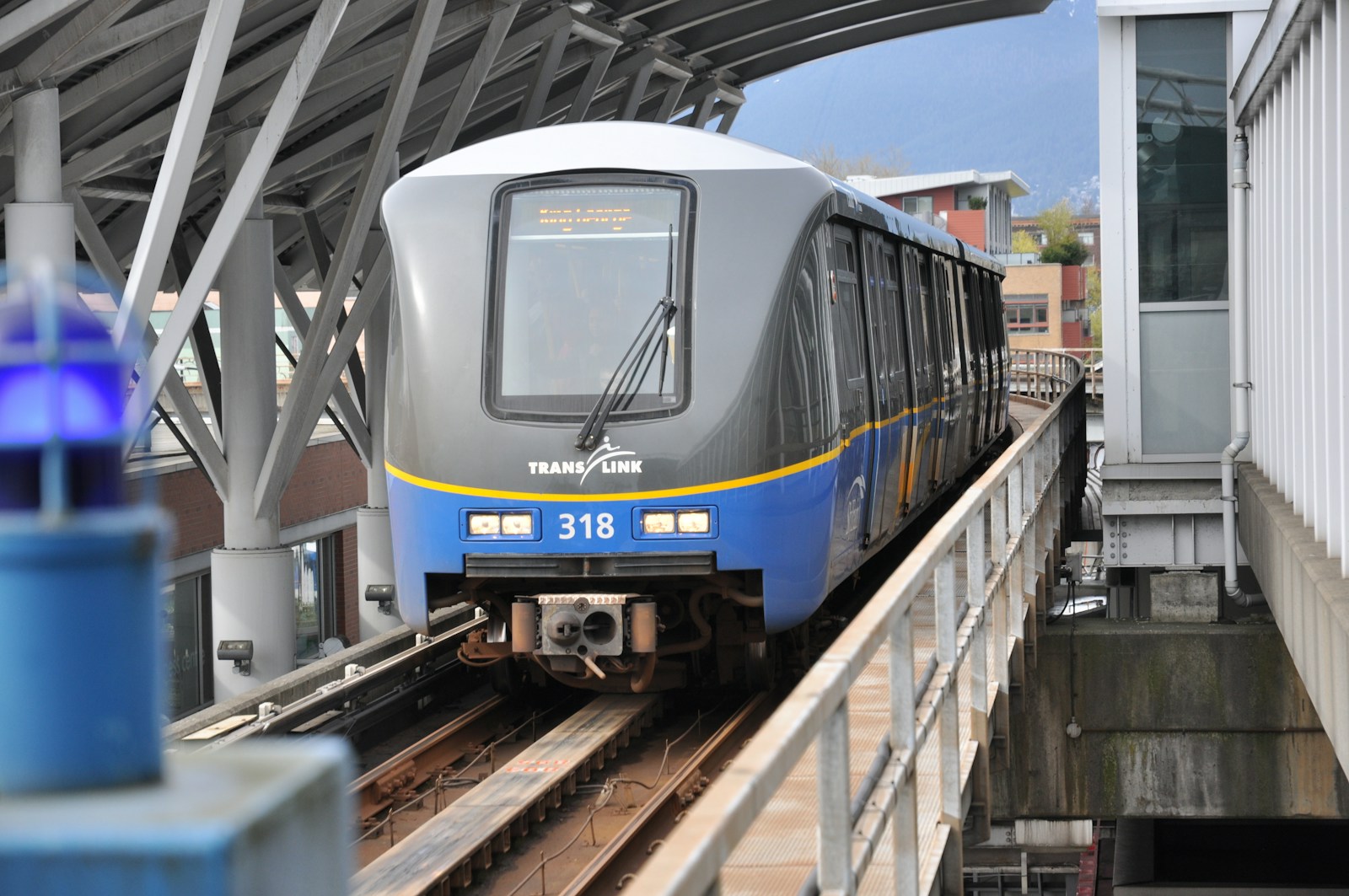
If you’re house-hunting in Vancouver, there’s one insider tip that savvy buyers already know: follow the SkyTrain map — or better yet, the future one.
Vancouver’s real estate market is heavily shaped by transit access. Homes within walking distance of a SkyTrain station consistently outperform others in price growth and rental demand.
But what’s even more powerful is buying near a planned SkyTrain station — before the line is built and prices spike.
| Project | Timeline | Key New Stations | Impact Zone |
|---|---|---|---|
| Broadway Subway (Millennium Line Extension) | Completion expected 2027 | Great Northern Way, Mount Pleasant, Broadway–City Hall, Oak–VGH, South Granville, Arbutus | Kitsilano, Fairview, Mount Pleasant |
Why it matters:
Condos within a 10-minute walk from these future stations are already seeing subtle increases in interest from investors and first-time buyers anticipating value jumps.
If your budget caps around $850,000, consider redirecting your search from over-heated areas like Olympic Village to Mount Pleasant East or Fairview Slopes, where you can still find:
1-bed condos under 700 sq ft
Walk scores above 90
Upcoming direct SkyTrain access
Pro move: Use City of Vancouver’s development permit search tool to see which pre-sale buildings are closest to these new stops — this can signal early-stage opportunities.
| Line Opened | Nearby Neighbourhood | Avg. Price Increase (3 Years Post-Launch)* |
|---|---|---|
| Evergreen Line (2016) | Burquitlam | +23% |
| Canada Line (2009) | Marine Gateway | +28% |
*Based on MLS® HPI data trends from REBGV.
Don’t just buy where the SkyTrain is — buy where it’s going.
By the time the first train rolls in, you’ll already be sitting on built-in equity and unbeatable convenience.

With rising interest rates, shifting buyer demand, and new government policies, many homeowners and investors are wondering: will Vancouver real estate prices drop in 2025? The market has experienced rapid appreciation over the past decade, but cracks are beginning to show. Some experts predict a soft landing, while others believe a significant correction is on the horizon.
To help you navigate the uncertainty, we’ve gathered five expert predictions on what’s next for Vancouver’s real estate market. Whether you're looking to buy, sell, or invest, these insights will provide valuable context on what to expect in the coming months.
One of the biggest factors influencing whether Vancouver real estate prices will drop in 2025 is the Bank of Canada’s stance on interest rates. Over the past two years, aggressive rate hikes have made mortgages significantly more expensive, pricing out many potential buyers.
According to real estate analyst John Pasalis, if interest rates remain high or increase further, home prices in Vancouver could see a decline as affordability continues to erode. “Every rate hike makes it harder for buyers to qualify for a mortgage, which dampens demand and puts downward pressure on prices,” Pasalis explains.
However, if the Bank of Canada lowers rates in 2025, it could stimulate demand and keep prices stable. The key takeaway? Interest rate movements will play a critical role in determining will Vancouver real estate prices drop or remain steady next year.
Another factor to watch is the supply of new homes hitting the market. Vancouver has long struggled with a housing shortage, but recent government initiatives have pushed for more development. If a large number of new homes become available in 2025, it could lead to increased competition among sellers, forcing prices down.
Urban planner Andy Yan suggests that increased construction activity could be a game-changer. “For years, Vancouver’s housing crisis has been driven by a lack of supply. If developers finally start catching up to demand, we could see prices level off or even decline,” he notes.
On the other hand, if demand continues to outpace supply—particularly from immigration and investor activity—Vancouver home prices could stay resilient. This brings us to another crucial factor: foreign investment and immigration trends.
Despite economic challenges, Vancouver remains one of Canada’s most attractive cities for new immigrants and foreign investors. Historically, both have played a major role in keeping home prices high, even when local demand weakens.
With Canada targeting 500,000 new immigrants per year, many of whom choose to settle in Vancouver, housing demand could remain strong. “Newcomers often prioritize real estate as a first investment,” says mortgage broker Dustan Woodhouse. “Even if local buyers hesitate, steady immigration could keep the market from a significant downturn.”
Additionally, while the foreign buyer ban remains in place, experts speculate that policy shifts or loopholes could bring international investors back into the market. If that happens, it may limit the extent to which Vancouver real estate prices will drop in 2025.
Recession concerns continue to loom, making economic stability another factor that could impact Vancouver’s real estate market. If job losses increase, wages stagnate, or businesses struggle, fewer people will be in a position to buy homes—leading to softer demand and price declines.
Economist Benjamin Tal warns that a slowdown in Vancouver’s key industries, like tech and finance, could have ripple effects on housing. “A weaker economy means fewer people can afford high-priced homes, which could lead to price corrections,” he states.
That said, Vancouver’s housing market has proven resilient in past downturns, often rebounding quickly. If the economy remains stable or recovers rapidly, home values may hold steady despite short-term fluctuations.
The final expert prediction revolves around government intervention. In recent years, policies like the speculation tax, foreign buyer ban, and mortgage stress test have shaped Vancouver’s real estate landscape. Looking ahead to 2025, further government action could influence whether home prices rise or fall.
Housing affordability remains a major political issue, and experts anticipate new policies aimed at stabilizing or reducing home prices. These could include:
Stronger rent control measures
Higher property taxes for investors and speculators
More incentives for first-time homebuyers
Zoning changes to allow for more multi-family housing
Real estate lawyer Denise Salmon believes policy changes could be a turning point. “If the government aggressively targets affordability, it could put significant downward pressure on home prices,” she says. However, she also warns that too much intervention could lead to unintended consequences, such as discouraging development and tightening supply.
With so many factors at play—interest rates, supply and demand, immigration, economic conditions, and government policies—it’s difficult to predict with certainty will Vancouver real estate prices drop next year. Some experts foresee a moderate decline, while others believe prices will remain steady due to strong demand.
The best approach? Stay informed, watch market trends, and evaluate your own financial goals before making any major real estate decisions.
What do you think? Will Vancouver home prices drop in 2025, or will the market prove resilient once again? Share your thoughts in the comments below!
Are you interested in a buyer or seller consultation? You can contact me today to discuss your real estate goals.
This is the details of my article that I’m going to create from ChatGPT.

If you’re watching the real estate market in Burnaby, understanding trends can make a big difference in your buying or selling strategy. This November’s apartment market report reveals some notable shifts compared to October, shedding light on supply, demand, and market conditions.
📊 Active Listings: 339 (-23.6% from October)
📉 Sold Listings: 203 (-15.4% from October)
These numbers show a decline in both active and sold listings, which can tell us a lot about the market’s behavior heading into the end of the year. Let’s break it down.
With active listings dropping by 23.6%, there are fewer properties on the market. This reduction in inventory means:
Increased competition: Fewer options mean buyers might face more competition for quality apartments.
Stable prices or slight increases: Lower supply can lead to price stabilization or even a slight uptick, especially if demand remains steady.
Act fast: If you’re looking for an apartment, it’s essential to be prepared with financing and quick decision-making to secure a property.
💡 Tip for Buyers: Work with a realtor who has insights into the local market. Off-market opportunities and pre-listings can give you an edge.
Sold listings have decreased by 15.4%, indicating a slight slowdown in buyer activity. Here’s what sellers should keep in mind:
Less competition: With fewer listings available, your property has a better chance of standing out.
Pricing strategy is key: Although demand remains, buyers are becoming selective. Accurate pricing can attract serious buyers quickly.
Presentation matters: Professional photos, staging, and marketing can help you maximize interest.
💡 Tip for Sellers: Now is the time to highlight your property’s unique features. Buyers want value, so ensure your apartment is well-prepared for showings.
Several factors can influence these changes:
Seasonal slowdown: The real estate market often sees reduced activity as we head into the holiday season.
Economic considerations: Buyers may be holding off due to interest rates or economic uncertainties.
Market balance: A natural adjustment as the market seeks equilibrium between supply and demand.
Whether you’re buying or selling, market conditions like these require a clear plan:
Buyers: Focus on readiness—pre-approvals, clear criteria, and flexibility will help you succeed in a competitive environment.
Sellers: Take advantage of reduced competition by pricing strategically and presenting your property in its best light.
Need tailored advice for your situation? I’m here to help you understand what these trends mean for you personally.
📞 Call me at 800-959-4994
Email me at sanjeev@myrealpage.com
Let’s make the most of today’s market together!

 The data relating to real estate on this website comes in part from the MLS® Reciprocity program of either the Greater Vancouver REALTORS® (GVR), the Fraser Valley Real Estate Board (FVREB) or the Chilliwack and District Real Estate Board (CADREB). Real estate listings held by participating real estate firms are marked with the MLS® logo and detailed information about the listing includes the name of the listing agent. This representation is based in whole or part on data generated by either the GVR, the FVREB or the CADREB which assumes no responsibility for its accuracy. The materials contained on this page may not be reproduced without the express written consent of either the GVR, the FVREB or the CADREB.